Currently Empty: 0.00
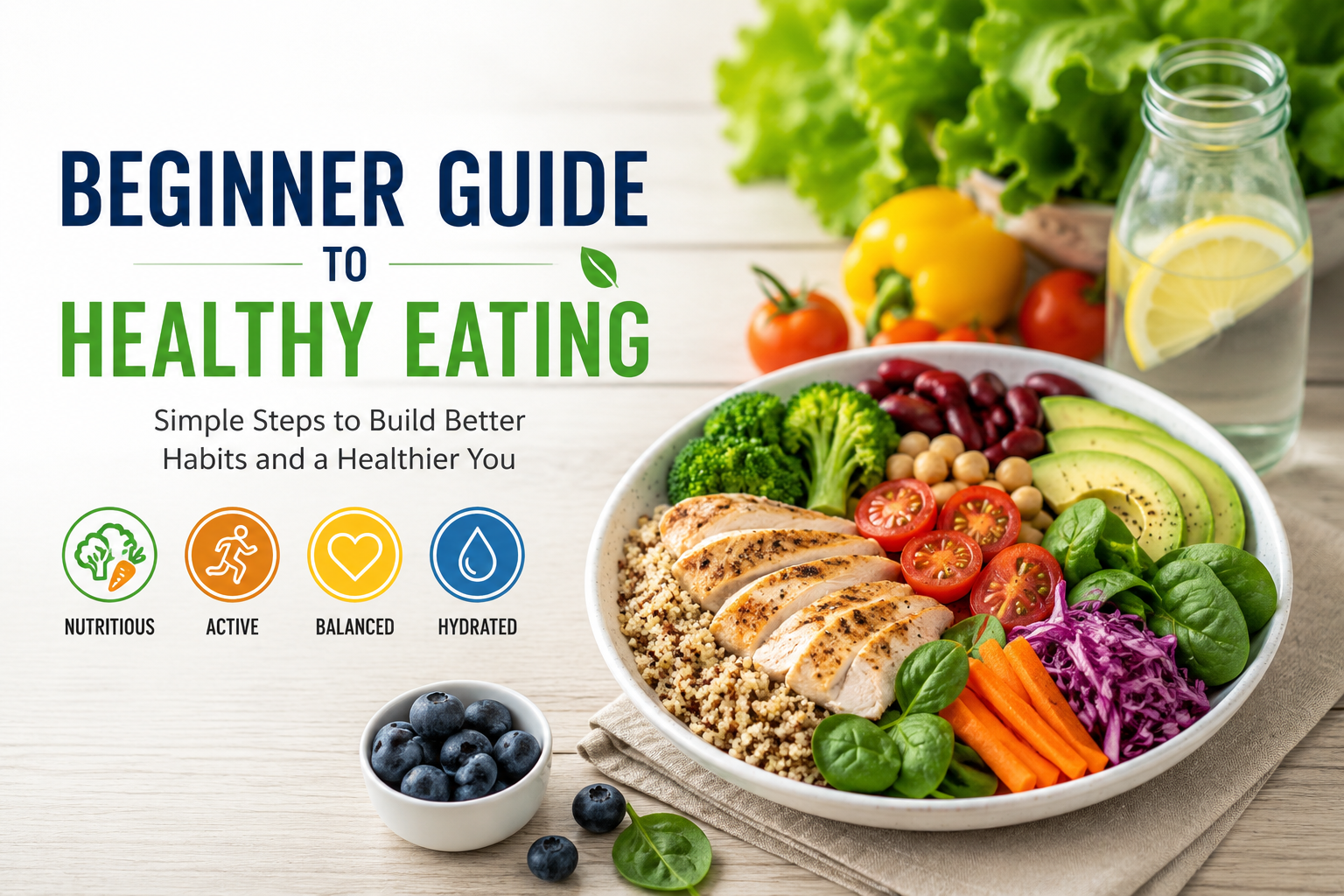
Beginner Guide to Healthy Eating
Healthy eating is one of the most important steps you can take to improve your overall health, energy levels, and quality of life. This beginner guide to healthy eating explains how simple daily food choices can improve your wellness naturally. Many people think healthy eating means strict dieting, avoiding all favorite foods, or spending a lot of money on special ingredients. In reality, healthy eating is about balance, consistency, and making smarter food choices every day.
If you are just starting your healthy eating journey, this beginner guide to healthy eating will help you understand the basics of nutrition, meal planning, portion control, and healthy habits. You do not need to become perfect overnight. Small changes made consistently can create long-term results and support a healthier lifestyle.
What Is Healthy Eating in a Beginner Guide to Healthy Eating?
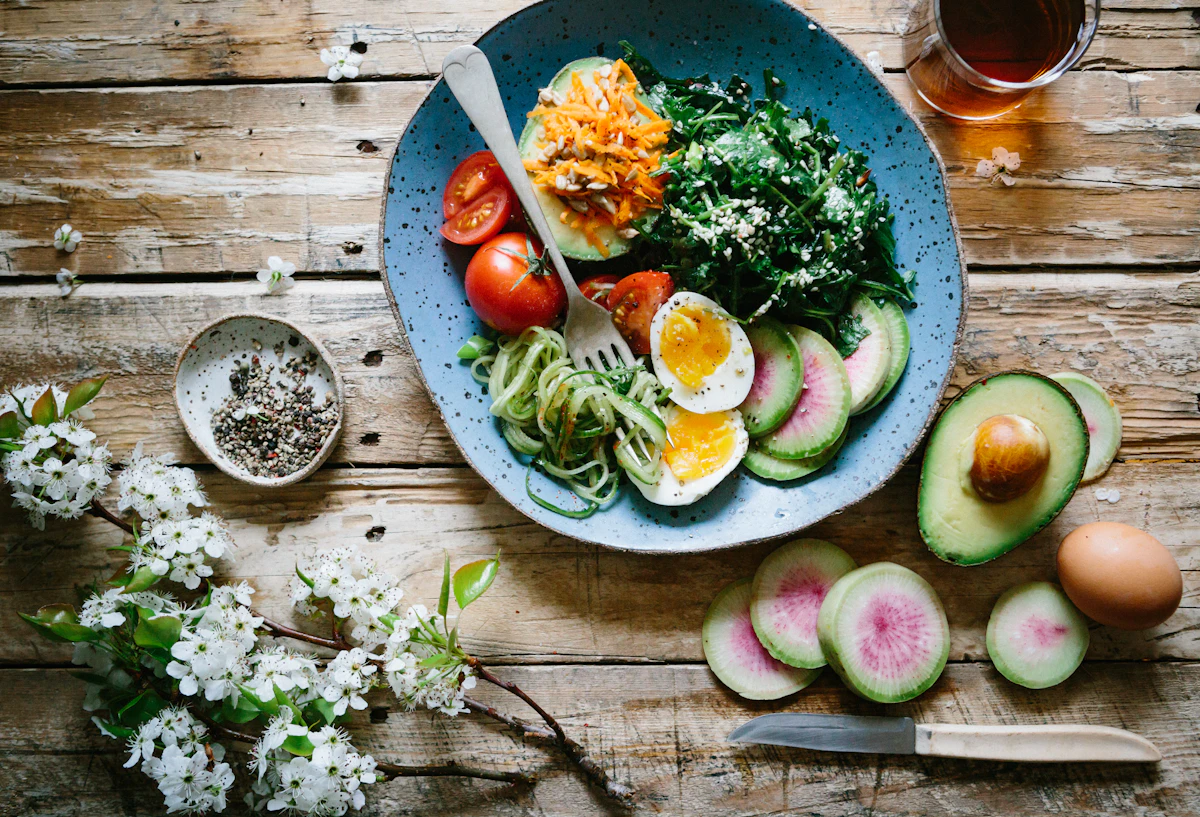
Healthy eating means consuming a variety of foods that provide the nutrients your body needs to stay healthy, active, and strong. These nutrients include carbohydrates, proteins, healthy fats, vitamins, minerals, and water.
A healthy diet supports brain function, strengthens the immune system, improves digestion, maintains a healthy weight, and lowers the risk of chronic diseases such as diabetes and heart disease.
Healthy eating does not require giving up all treats or following extreme food rules. Instead, it focuses on balance, moderation, and choosing whole foods more often.
Why Healthy Eating Matters
Your body uses food as fuel. The quality of your diet affects your physical health, mental well-being, energy levels, sleep quality, and productivity. Eating too much processed food, sugar, and unhealthy fats may lead to weight gain, fatigue, and health problems over time.
Here are some important benefits of healthy eating:
- Provides more daily energy
- Supports healthy weight management
- Improves heart health
- Strengthens immunity
- Enhances digestion
- Improves focus and mental clarity
- Reduces the risk of chronic diseases
- Supports healthy skin and hair
Understanding the Basic Nutrients
1. Carbohydrates
Carbohydrates are the body’s main source of energy. Healthy carbohydrate sources include fruits, vegetables, whole grains, oats, brown rice, and sweet potatoes.
Avoid relying heavily on refined carbohydrates such as sugary snacks, white bread, and soft drinks.
2. Protein
Protein helps build and repair muscles, tissues, and cells. It also helps you feel full longer.
Healthy protein sources include:
- Fish
- Chicken
- Eggs
- Beans
- Lentils
- Greek yogurt
- Nuts and seeds
3. Healthy Fats
Healthy fats support brain function and heart health. Good sources include avocados, olive oil, nuts, seeds, and fatty fish.
Try to limit trans fats and excessive fried foods.
4. Vitamins and Minerals
Vitamins and minerals are essential for many body functions, including immunity and bone health. Eating colorful fruits and vegetables is one of the best ways to get these nutrients naturally.
5. Water
Staying hydrated is just as important as eating healthy food. Water helps digestion, regulates body temperature, and supports overall health.
Aim to drink enough water throughout the day, especially during hot weather or physical activity.
Build a Balanced Plate
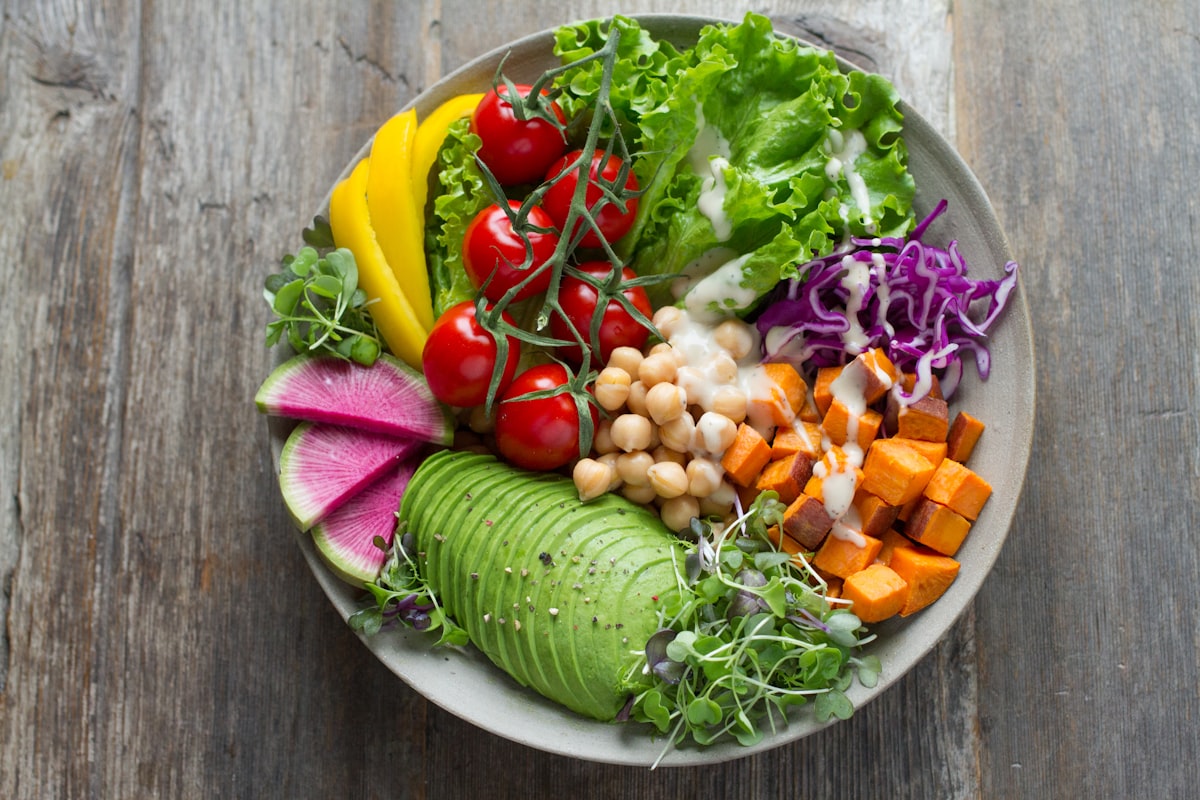
One of the easiest ways to start healthy eating is by building balanced meals.
A balanced plate may include:
- Half plate of vegetables and fruits
- Quarter plate of lean protein
- Quarter plate of whole grains or healthy carbohydrates
- A small amount of healthy fats
This simple method can help you create healthier meals without counting every calorie.
Healthy Foods in a Beginner Guide to Healthy Eating
Vegetables
Vegetables are rich in fiber, vitamins, and antioxidants. Try adding spinach, carrots, broccoli, cucumbers, tomatoes, and bell peppers to your meals.
Fruits
Fruits provide natural sweetness along with fiber and nutrients. Apples, bananas, oranges, berries, and papayas are great choices.
Whole Grains
Whole grains contain more fiber and nutrients compared to refined grains. Choose brown rice, oats, quinoa, and whole wheat bread when possible.
Lean Protein
Lean protein helps maintain muscle and keeps you satisfied longer. Include fish, chicken breast, eggs, tofu, or beans in your diet.
Healthy Snacks
Healthy snacks can prevent overeating during meals. Good options include yogurt, nuts, fruits, boiled eggs, and smoothies.
Foods to Limit
Healthy eating does not mean you can never enjoy treats, but certain foods should be limited because they offer little nutrition.
- Sugary drinks
- Highly processed snacks
- Fast food
- Excessive fried foods
- Too much added sugar
- High-sodium packaged foods
Reducing these foods gradually can improve your health over time.

Simple Beginner Guide to Healthy Eating Habits
1. Start Small
Trying to change everything at once can feel overwhelming. Start with one or two healthy habits such as drinking more water or adding vegetables to lunch.
2. Eat More Home-Cooked Meals
Cooking at home gives you better control over ingredients, portion sizes, and cooking methods.
3. Read Food Labels
Learning to read labels can help you identify hidden sugar, unhealthy fats, and excessive sodium in packaged foods.
4. Practice Portion Control
Eating healthy foods in very large amounts can still lead to overeating. Use smaller plates and listen to your hunger signals.
5. Do Not Skip Breakfast
A healthy breakfast provides energy for the day and may help reduce unhealthy snacking later.
6. Plan Your Meals
Meal planning helps you make healthier choices and reduces the temptation to order fast food.
7. Avoid Emotional Eating
Many people eat when stressed, bored, or emotional. Try healthier coping methods such as exercise, journaling, or talking with friends.
Healthy Eating on a Budget
Eating healthy does not have to be expensive. Many affordable foods are highly nutritious.
Budget-friendly healthy foods include:
- Rice and oats
- Beans and lentils
- Eggs
- Seasonal fruits and vegetables
- Frozen vegetables
- Potatoes and sweet potatoes
Buying local produce, planning meals, and cooking in batches can help save money.
Healthy Meal Ideas for Beginners
Breakfast Ideas
- Oatmeal with banana and nuts
- Boiled eggs with whole wheat toast
- Greek yogurt with berries
- Fruit smoothie with milk and oats
Lunch Ideas
- Brown rice with grilled chicken and vegetables
- Vegetable salad with boiled eggs
- Lentil soup with whole grain bread
- Tuna sandwich with cucumber slices
Dinner Ideas
- Grilled fish with steamed vegetables
- Chicken stir-fry with brown rice
- Vegetable soup with salad
- Quinoa bowl with beans and avocado
Healthy Snack Ideas
- Fresh fruits
- Mixed nuts
- Carrot sticks with hummus
- Yogurt
- Boiled eggs

Common Healthy Eating Mistakes
Skipping Meals
Skipping meals may lead to low energy and overeating later.
Following Extreme Diets
Very restrictive diets are difficult to maintain and may lead to nutrient deficiencies.
Drinking Too Many Calories
Sugary beverages can add a large number of calories without making you feel full.
Ignoring Sleep and Exercise
Healthy eating works best when combined with good sleep and regular physical activity.
How to Stay Consistent
Consistency is more important than perfection. You do not need to eat perfectly every day to be healthy.
Here are some ways to stay motivated:
- Set realistic goals
- Track your progress
- Prepare meals ahead of time
- Celebrate small improvements
- Focus on long-term habits instead of quick results
Healthy Eating and Mental Health
Nutrition also affects mental well-being. Balanced meals can help support stable energy and concentration throughout the day.
Foods rich in omega-3 fatty acids, vitamins, and antioxidants may support brain health. Staying hydrated and avoiding excessive processed food may also improve mood and focus.
Tips for Families and Busy People
Healthy eating can fit into busy schedules with a little planning.
- Prepare meals in advance
- Keep healthy snacks available
- Cook larger portions for leftovers
- Choose simple recipes with few ingredients
- Use frozen vegetables for convenience
Healthy Grocery Shopping Tips for Beginners
Grocery shopping is an important part of a beginner guide to healthy eating. Planning your shopping list before going to the market can help you avoid unhealthy impulse purchases.
- Buy more fresh fruits and vegetables
- Choose whole grain products instead of refined grains
- Check food labels for added sugar and sodium
- Select lean protein sources
- Avoid shopping while hungry
Preparing a weekly shopping plan can save both time and money while supporting healthy eating goals.
Easy Healthy Eating Tips for Busy Days
Busy schedules can make healthy eating difficult, but simple preparation can help you stay consistent.
- Prepare ingredients in advance
- Keep healthy snacks available at home
- Drink water regularly throughout the day
- Choose grilled foods more often than fried foods
- Carry fruits or nuts while traveling
These small habits can make a big difference in maintaining a balanced lifestyle.
Creating a Healthy Lifestyle
Healthy eating is not only about losing weight. It is about building a healthier lifestyle that supports your long-term physical and mental health.
Focus on progress rather than perfection. Small daily improvements can create lasting habits and better overall wellness.
Final Thoughts on This Beginner Guide to Healthy Eating
Starting a healthy eating journey can feel challenging at first, but it becomes easier with practice and consistency. The key is to make realistic changes that fit your lifestyle.
Choose more whole foods, stay hydrated, balance your meals, and avoid extreme diets. Over time, these habits can improve your energy, health, and confidence.
Remember that healthy eating is a long-term lifestyle, not a temporary diet. Begin with small steps today and build healthier habits one meal at a time.
Helpful Healthy Eating Resources
You can learn more about balanced nutrition from trusted resources like World Health Organization Healthy Diet Guide and the MyPlate Nutrition Guide.
You may also enjoy reading our internal guides on Budget-Friendly Healthy Food Plan and Foods That Help Reduce Belly Fat for more healthy lifestyle tips.

